How to Prepare Your Home for Exterior Painting: A Step-by-Step Guide
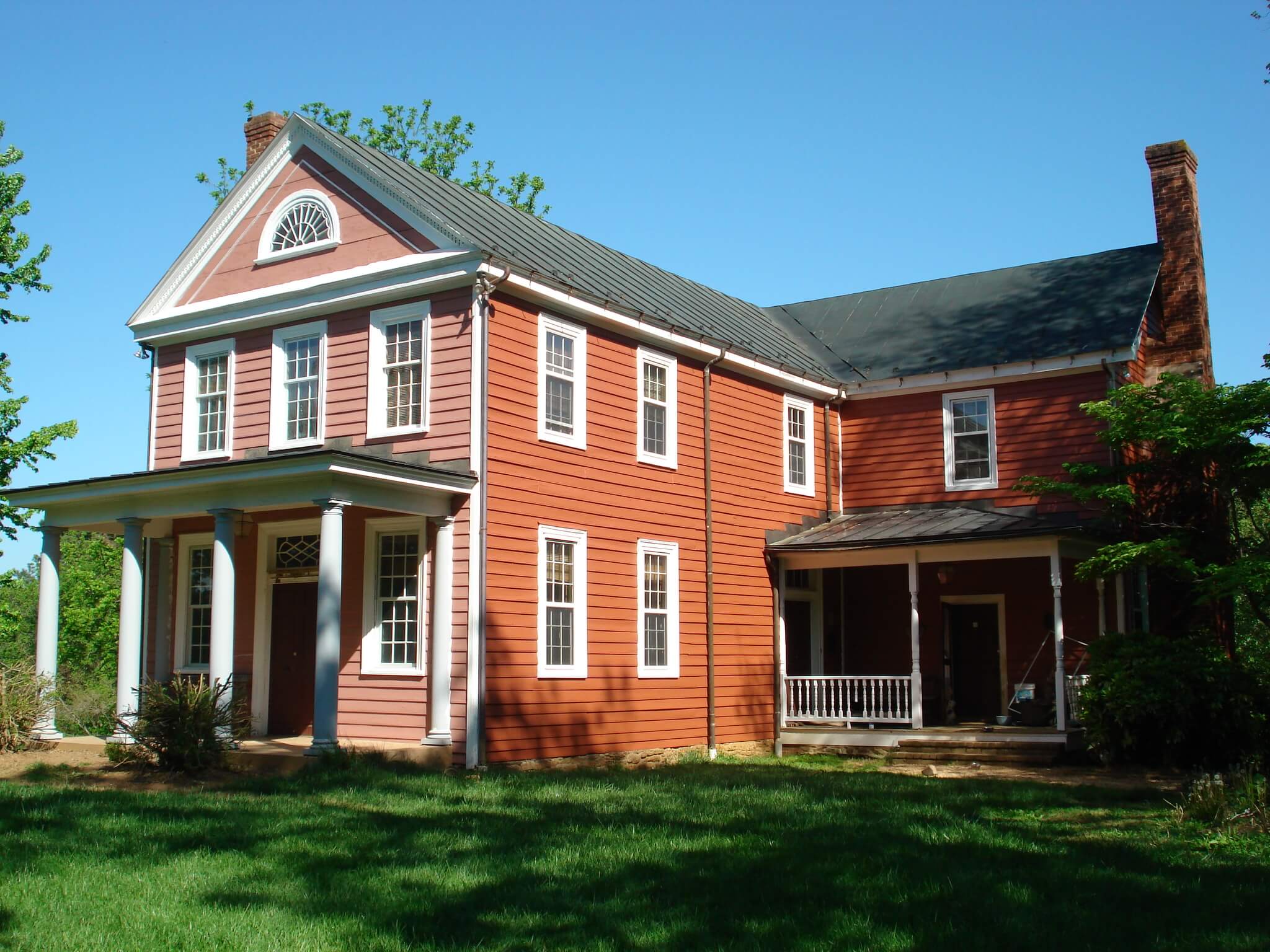
A great exterior paint job starts long before the first coat of paint is applied. Whether you’re hiring a professional or planning a DIY project, proper preparation is key to ensuring a long-lasting, beautiful finish. In this guide, we’ll walk you through how to prepare your home for exterior painting—step by step—so your project goes smoothly from start to finish.
By following these preparation tips, you’ll protect your investment and help your paint job last longer—especially in climates like Virginia’s, where moisture, sun exposure, and seasonal changes all impact exterior surfaces.
Why Exterior Prep Matters
Before diving into the steps, it’s important to understand why prep work is non-negotiable.
- Durability: Paint adheres best to clean, dry, and stable surfaces.
- Appearance: Proper prep helps eliminate peeling, cracking, or uneven finishes.
- Cost-Effectiveness: Prep reduces the chance of early paint failure, saving you money on repairs and repainting.
Whether you’re working with professionals like Bluebell Painting Co or doing it yourself, starting with a clean slate is essential.
Step 1: Inspect the Surface Thoroughly
Start by walking around your home and taking note of problem areas.
Look for:
- Peeling or flaking paint
- Rotten or damaged wood
- Mold or mildew growth
- Cracks or gaps in caulking
Flagging these early helps you plan for necessary repairs before the painting starts.
Step 2: Wash the Exterior
Over time, dirt, pollen, mildew, and chalky residue can build up on your home’s siding.
Methods to clean:
- Power washing: Fast and effective, but use caution on older wood or fragile siding.
- Hand scrubbing: Good for smaller areas or sensitive surfaces.
Use a mild detergent or a specialized exterior cleaner. Rinse thoroughly and allow 24–48 hours of drying time before moving on.
Pro Tip: Avoid pressure washers above 1500 PSI on soft wood—too much pressure can damage the grain.
Step 3: Scrape Away Loose Paint
Once the exterior is dry, remove all loose, peeling, or bubbling paint.
Tools you’ll need:
- Paint scraper or putty knife
- Wire brush
- Sandpaper (medium to coarse grit)
This ensures the new paint bonds directly to the substrate—not old, failing layers.
Step 4: Sand for a Smooth Surface
After scraping, sand the area to feather edges and create a smooth surface.
Focus on:
- Rough patches
- Glossy finishes that need dulling
- Any transition zones between old and bare wood
This is especially important if you’re painting over older layers or stained surfaces.
Step 5: Repair and Patch Damaged Areas
Exterior painting isn’t just cosmetic—it’s also protective.
Make sure to:
- Replace rotted siding or trim
- Patch cracks with wood filler or caulk
- Re-nail loose boards
Use paintable exterior caulk to seal joints, gaps, and seams—especially around windows, doors, and trim.
Step 6: Protect Surrounding Areas
Painting can get messy, so take time to protect plants, fixtures, and other elements.
- Use drop cloths to cover shrubs and walkways
- Tape off edges around windows and doors
- Remove or cover light fixtures, house numbers, and hardware
Spending time here will save hours of cleanup later.
Step 7: Apply Primer Where Needed
Priming is essential if:
- You’ve exposed bare wood
- You’re painting a lighter color over a darker one
- The surface is chalky or stained
Choose a high-quality exterior primer that matches your surface type—wood, metal, or masonry.
Pro Tip: For stained areas or water damage, use a stain-blocking primer to prevent bleed-through.
Step 8: Choose the Right Exterior Paint
Not all paints are created equal—especially for outdoor surfaces.
Look for:
- 100% acrylic latex paint for durability and flexibility
- UV and mildew-resistant formulas
- Paints rated for the material you’re covering (wood, stucco, brick, etc.)
Choosing the right product ensures your paint job stands up to Virginia’s humid summers and chilly winters.
Step 9: Work With the Weather
Timing matters. The best conditions for exterior painting are:
- Dry weather (no rain forecast for 2–3 days)
- Temperatures between 50°F and 85°F
- Low humidity
Avoid painting in direct sunlight or during high winds—both can affect drying and adhesion.
Final Steps Before Painting Begins
Do a final walkthrough to ensure:
- All surfaces are clean, dry, and primed
- All repairs and caulking are complete
- You have the tools, brushes, and rollers ready
- Drop cloths and tape are in place
Once everything’s prepped, you’re ready for a flawless finish.
Working with a Professional Painter
If all this sounds overwhelming, don’t worry—working with a reputable local painter in Virginia can take the stress off your shoulders.
At Bluebell Painting Co, we handle everything from prep to final walkthrough with precision and care. Our clients love us for our dedication to quality and our multi-layered approach, just like our motto: Custom Painting Has Many Layers.
Whether you’re in Charlottesville, Batesville, or anywhere in Albemarle County, we’re here to help.
Conclusion: Ready for a Flawless Exterior Finish?
Proper preparation is the foundation of a beautiful, long-lasting paint job. Whether you’re doing it yourself or hiring a professional, each step matters.
If you’d rather leave it to the pros, we’re here to help with exterior house painting in Charlottesville, VA, and throughout Albemarle County. From prep to cleanup, we’ve got you covered.
👉 Request a Free Quote Today and let’s get your home looking its best.